
Environmental Nutrition: Spotlight on supplements: lemon balm
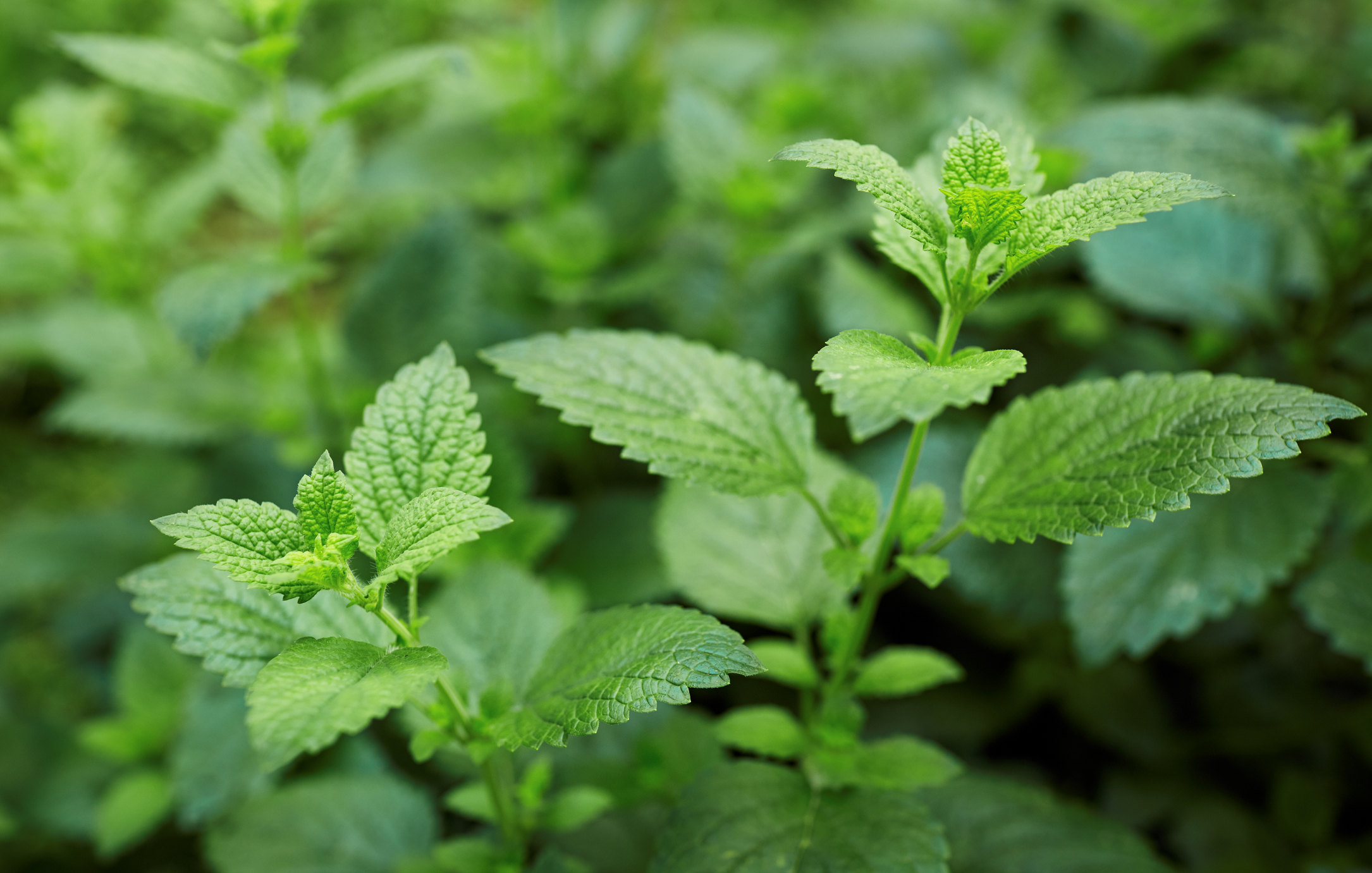
Lemon balm (Melissa officinalis L.) is an herb that has a lemon scent and has been used for more than 2,000 years for its medical properties in cultures around the world. It is native to the Mediterranean, but is now cultivated in several countries including North Africa and Western Asia.
Lemon balm contains a variety of compounds, including essential oils, phenolic acids, flavonoids and triterpenes, all of which have antioxidant properties. Lemon balm is promoted to alleviate a wide variety of conditions, but has been most widely studied for the treatment of anxiety and for stress management. It is included in pharmaceutical manuals in England and the European Union for anxiety and stress management, sleep disorders, cognitive enhancement, and digestive health.
Areas of benefit
Risks and safety concerns
The Food and Drug Administration has classified lemon balm as Generally Recognized as Safe (GRAS). Reported side effects have included dizziness, increased appetite, and headache, but no serious side effects have been reported. Oral lemon balm may cause sleepiness and slowed breathing if combined with sedatives or anxiolytics, such as Xanax or Valium. Lemon balm may interact negatively with thyroid func- tioning in the body or thyroid medications.
Dosage
Lemon balm is available in several forms, including oral supplements, lotions, ointments, massage oils and teas. Oral forms of lemon balm are believed to be safe in up to eight weeks or more. Studies have used a variety of daily doses between 80 milligrams (mg) per day and 5,000 mg/day, taken either as a single dose or several doses throughout the day, as capsules, tablets and tea. All were well tolerated, but the different forms, doses and length of studies, make it difficult for researchers to recommend a specific dose and form. Topical lemon balm has been reported to have minimal side effects for up to 10 days of application.
(Environmental Nutrition is the award-winning independent newsletter written by nutrition experts dedicated to providing readers up-to-date, accurate information about health and nutrition in clear, concise English. For more information, visit www.environmentalnutrition.com.)
©2026 Belvoir Media Group, LLC. Distributed by Tribune Content Agency, LLC.








Comments