Does eating fruit help with weight loss?
Published in Health & Fitness
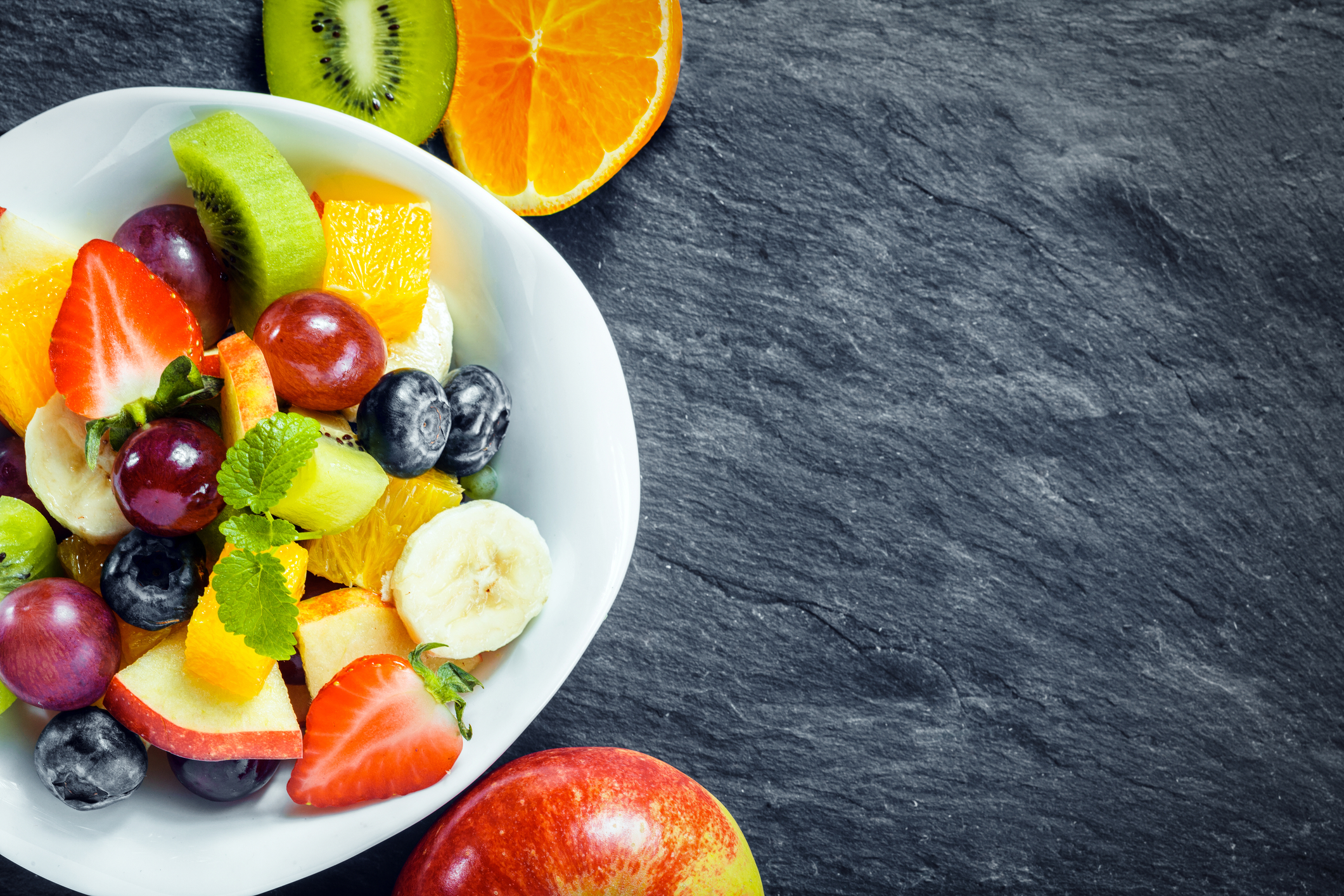
Eating fruit can help you lose weight, particularly if you choose fruit rather than processed foods that are high in added sugar and fat. Making fruit a daily staple in your diet can offer many health and nutritional benefits. The high fiber content can help you feel full, and the natural sweetness can help stave off cravings.
Fruit often gets a bad rap for containing carbohydrates and naturally occurring sugar. But both of those components are parts of a healthy diet and can be a part of your weight loss or management journey.
How eating fruit aids weight loss
The link between eating more fruit and losing weight may be because fruit can help boost satiety and satisfy a sweet craving. Fruits can provide you with a nutritious, sweet snack or dessert option. They can also replace higher-calorie treats from time to time.
The sugar from fresh, whole fruit is different than added sugar, or the refined type used to sweeten foods (such as sugar used in baked goods or the spoonful of sugar you add to your morning coffee).
That’s because the naturally occurring sugar in fruit is much less concentrated and is bundled with water, fiber, and other key nutrients.
The best fruits to choose for weight loss
There aren’t any specific fruits that can be singled out as the best choices for weight management. That’s because a variety of fruits in moderate portions can aid in weight loss. Choose fruits you enjoy. The Centers for Disease Control and Prevention suggests these fruits to try:
Vitamins, minerals, antioxidants, fiber, and prebiotics in fruit are healthy not only by helping to protect against chronic diseases but also by supporting weight management. Even if you eat plenty of veggies, skipping fruit means missing out on the unique antioxidants they provide.
Research has even shown a connection between fruit intake and weight loss. One study found that among adults who were overweight or obese, those who ate more fruit experienced greater weight loss than those who didn’t. Another study, which followed more than 130,000 adults over 24 years, found that consuming fruit was associated with improved weight loss over time.
Try to consume a variety of fruits to get a spectrum of nutrients and antioxidants.
When to eat fruit
Since the carbs in fruit help fuel activity, when you eat fruit matters, too. Try building fruit into the meals and snacks you consume during your more active hours of the day. That may mean eating a banana before a workout or having berries with breakfast before heading to work. Try pairing an apple with almond butter in the afternoon to help power through the rest of the day.
Eating fruit before exercise or before you start your day can provide you with carbohydrates that are easily digestible and will keep your energy up.
How much fruit should you eat?
The U.S. Department of Agriculture recommends that most adults should eat 1.5 to 2.5 cups of fruit every day. This can include fruit that is canned, fresh, dried, frozen, or juiced. Try to get at least half of your daily fruit from whole fruits (rather than 100% fruit juice), if accessible.
(Health delivers relevant information in clear, jargon-free language that puts health into context in peoples’ lives. Online at www.health.com.)
©2025 Dotdash Meredith. All rights reserved. Used with permission. Distributed by Tribune Content Agency, LLC.









Comments