Terry Savage: Thinking about retirement beyond money
Published in Business News

When it comes to retirement planning, the first and most obvious questions revolve around money. Will there be enough to carry you through retirement? How much regular income can you generate from a combination of Social Security, retirement plan withdrawals, and even part-time work?
Retirement planning also requires thinking about ongoing costs, including property taxes or rent, homeowners insurance, and repairs — or even the costly possibility of the need for long term custodial care.
It’s a daunting challenge to plan for retirement — best faced with the aid of a fiduciary, certified financial planner who can help you balance the financial issues you will face immediately and through a longer period of retirement.
But money isn’t the only challenge of retirement. There’s an emotional side as well — a complete change in identity.
For some people, retirement is planned. For others, it comes unexpectedly in the form of job loss or illness. But no matter what the reason for retirement, the challenge of this next stage of life goes beyond financial planning.
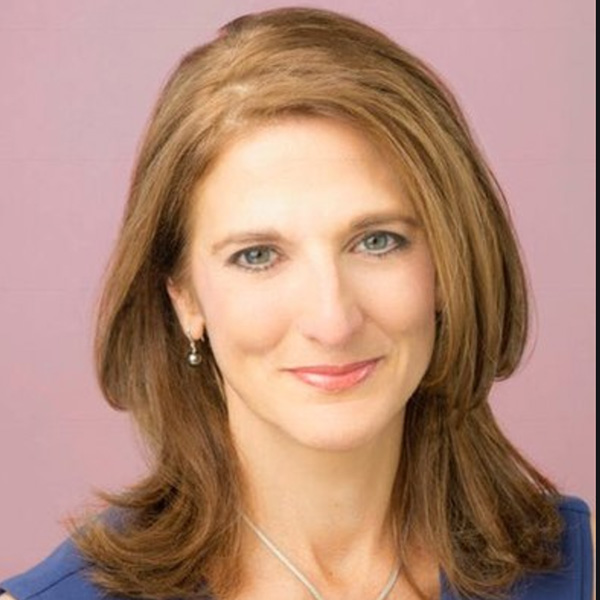
Dr. Kelly Ottman, a professor at the Milwaukee School of Engineering's Rader School of Business, is a global executive leadership coach and consultant whose extensive long-term research has focused on retirement issues. While she has concentrated primarily on corporate executives, Ottman’s conclusions apply to those at all income levels and especially anyone who identifies strongly with their career. She notes, “The emotional and personal identity issues cross all income levels.”
The personal side of retirement
Ottman warns that five key issues — beyond having “enough money” — can make all the difference between a positive retirement and a slide into negativity. They include:
—Your identity. Whether you have a professional title, and a place in corporate hierarchy, or are part of a team at work, Ottman suggests you now must figure out your identity beyond your role at work. When you introduce yourself, do you start by offering your name and career title? That will end at retirement. So how will you introduce yourself in retirement?
That’s quite a challenge, and it leads to some introspection.
—Your friends. The people you see every day at work tend to become your casual friends. But now the question becomes who you want to retain as your personal friend — and who else you might want to develop as a friend after retirement. Othman explains that studies show people who have strong social connections fare better as they age — in health, emotions and happiness.
But, your work friends might not naturally transition in retirement when you don’t run into them every day. The challenge, she says, is learning how to “make” new friends — not much different than when you went to a new school. It’s a learned talent and practiced skill that will be uncomfortable at first.
—Your interests. Work used to be a top priority, leaving little time for hobbies. Now you must work at cultivating new interests. Ottman says this goes beyond having a bucket list. It’s about creating new adventures or rekindling interests that you left behind during your career.
The key word is curiosity. The exploration is the point. You (and your partner) should make a “curiosity list” of new things to do, visit, or create. Hobbies require leisure, and now you have time to pursue them.
—Talk about retirement. The very word “retirement” is often a negative concept in our society, signaling an end. Now it’s time to reimagine this in a positive way. Ottman suggests seeking out a role model in retirement — and then becoming one.
Ask yourself who are you going to be in retirement — not necessarily what you are going to do. It’s not a checklist or a schedule, but an assessment of what you want your life to stand for that aligns with your values. In short, this is the time to consider your personal legacy — beyond money or title.
—Family impact. It may be your retirement, but this change in lifestyle will impact everyone close to you, from your spouse to your children and grandchildren, and even your neighbors. You’re going to be around!
In retirement, people often make assumptions that certain things will happen. But that’s not always the case. Ottman notes that professional women face a different retirement challenge: Everyone assumes they will suddenly take over all the domestic chores!
Ottman says her research shows that women tend to look at retirement as a time of renewal and an opportunity to create new identities, while men look at it as a release from stress and responsibilities.
While Ottman’s work includes counseling top-level corporate executives and successful family businesses, she also focuses on motivating and training the next generation. As people at the top — whether in the C-suite or family business founders — move on, they need to set an example of accomplishment and graceful retirement that will motivate the next generation of workers.
That applies in your own family as well. And that’s The Savage Truth.
©2026 Terry Savage. Distributed by Tribune Content Agency, LLC.




Comments