Commentary: Forget about COVID-19's origins. Focus on preventing the next pandemic
Published in Op Eds

More than six years after a novel coronavirus spread to the United States, our nation’s leaders are still locked in a partisan cage-match over the origin of the pathogen. The neverending cycle of recriminations and scapegoating is a waste of time and money — and worse yet, it undermines everyone’s common goal of preventing future waves of mass death, lockdowns and school closures.
I’m a physician and epidemiologist who spent nearly a decade investigating epidemics around the world for the Centers for Disease Control and Prevention. The truth about outbreaks of new or rare diseases is that they’re exceptionally difficult to trace back to a single point of origin.
For example, 50 years since the discovery of the Ebola virus, scientists still don’t fully understand in what wild animal species it hides between outbreaks. We’ll probably never know, with absolute certainty, whether COVID-19 was the result of a “lab leak” at the Wuhan Institute of Virology or transmitted from infected animals to humans at one of the city’s wet markets.
While I’d love to know the “true” answer, it doesn’t change how we ought to move forward. I strongly favor the wet-market hypothesis based on available peer-reviewed evidence. There’s a strong case against a lab-associated origin, but I cannot definitively rule it out.
Regardless, both explanations highlight growing global biosecurity issues. A responsible government would adopt strong policies on both fronts — strengthening safety standards for laboratory research involving dangerous pathogens and cracking down on the commercial wildlife trade — rather than ignoring either well-documented threat for the sake of political convenience. Even if we knew one of those were responsible for the last pandemic, the other could cause the next one.
Around the world, there are more than 50 “Biosafety Level 4” laboratories, built to house the world’s scariest pathogens. The world would be a lot more dangerous without research into these germs, and the labs employ strict biocontainment protocols to mitigate the risks of working with them: spacesuit-like personal protective equipment, lengthy decontamination procedures, specialized air-handling systems and more.
But lapses happen, and they can pose threats to public health. Since the 1970s, serious lab-associated human infections have occasionally occurred involving pathogens such as the bacteria that cause anthrax and brucellosis and the smallpox virus. As the threat of infectious diseases grows in today’s interconnected world, including from bad actors who could use artificial intelligence to do real harm, there is a greater need than ever to keep doing critical scientific research to develop countermeasures (such as vaccines) against microbial threats while also creating an international set of standards to minimize any potential risks of such research. Research funders should require adherence to these standards, and academic journals should demand it as a condition for publication.
We also have to recognize that science gone wrong makes for dramatic storytelling (as in my favorite zombie apocalypse movie, “28 Days Later,” plus many others), but the far more common origin of pandemics is a process known as zoonotic spillover, whereby pathogens jump from animals to humans. Every modern viral pandemic prior to COVID-19 originated this way. Scientists believe there are thousands of yet-to-be-discovered viruses currently circulating in birds and mammals that could one day also make the leap into humans.
Unlike lab leaks, which can often be blamed on the mistakes — or deliberate actions — of individuals, the culpability around spillovers is far more diffuse. We’re all responsible in some way: Spillovers are becoming more frequent because of humanity’s relentless exploitation of animals and nature, including through deforestation, industrial agriculture and the global wildlife trade. The so-called natural origin theory of COVID-19 — an ironic name, given that there is nothing natural about caging wild animals in crowded conditions, where they literally defecate and urinate on top of each other, spreading any pathogens they carry — is a reminder that cracking down on the importation and sale of wildlife would go a long way in preventing the next pandemic.
Every year, millions of live wild animals are shipped around the world, largely to meet growing demand for exotic cuisines and unique pets, and they can carry diseases across borders. In 2002, for example, SARS — a coronavirus cousin of COVID-19 with a 10% fatality rate — infected more than 8,000 people on five continents. It originated in bats, made its way into wild animals sold in markets and then spread to humans in Guangdong Province, China.
This problem, however, is not unique to East Asia. The U.S. ranks among the world’s top importers of wildlife. Over the past 20 years, nearly 3 billion wild animals have been legally shipped into the country — but “legal” does not mean “safe.” The stressful conditions that are common in the trade — including malnutrition, poor hygiene, overcrowding and unnatural mixing of species — create ideal conditions for viruses to circulate, mutate and spill over into new hosts. Even legal imports are rarely screened for disease; in many instances, exporters and importers are allowed to self-attest the health of their animals. The wildlife trade is like allowing a dangerous genetic experiment to take place in strip malls and living rooms, without any meaningful oversight or regulation.
American health officials are aware of this threat. In 2003, for example, more than 70 cases of a mysterious smallpox-like illness appeared across the Midwest. The cause was eventually traced back to rats and other critters from Ghana, some of which harbored the virus that causes mpox, which had been imported to meet demand for unique pets. In response, the U.S. government banned the importation of African rodents — and then did little else. It’s long past time for our officials to end our open-border policy for wildlife, limiting imports to a short list of species that pose minimal risk to public health, while prohibiting sales of all others.
The incessant bickering over the origins of COVID-19 hasn’t made anyone safer; in fact, our ability to respond to a pandemic today is probably worse than it was seven years ago, because we are more polarized than ever and elected officials have undermined institutions. Healthcare workers are traumatized and burned out. Our research capacity has declined, and public health experts have been pushed out of federal agencies.
Whatever the precise cause of the last pandemic, this much is true: Humanity enabled it. We also have the power to stop the next one — but we cannot do so through fighting. Pathogens don’t care about politics.
_____
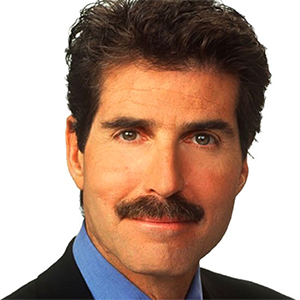
Neil Vora, a physician, is the executive director of the Preventing Pandemics at the Source coalition.
_____
©2026 Los Angeles Times. Visit at latimes.com. Distributed by Tribune Content Agency, LLC.




















































Comments